
Introduction
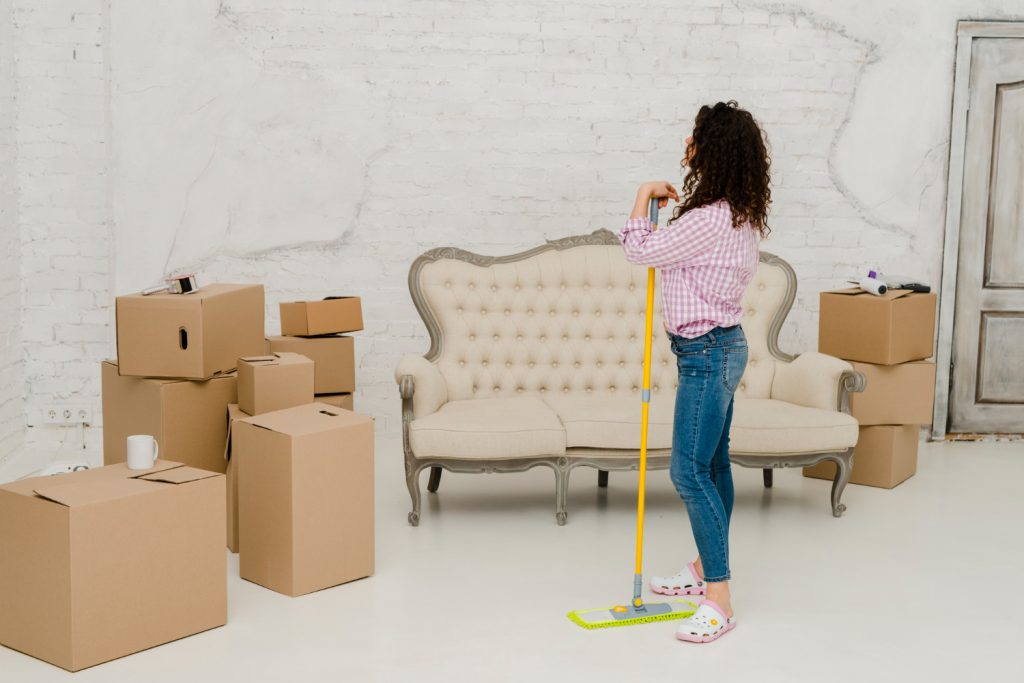
Move-out cleaning often looks simple until the final walk-through begins. Floors get mopped, counters get wiped, and boxes leave the rooms. Yet overlooked spots still shape deposit decisions, landlord feedback, and listing photos. Property managers usually notice areas that hold dust, grease, or odor. A careful plan keeps attention on the hidden details that affect condition reports most. Those small zones often decide whether a place feels truly ready for the next resident.
Light Switches and Handles
Many inspection notes start with surfaces touched every day. Smudges on switches, door handles, and cabinet pulls suggest rushed work, even in tidy rooms. In busy households, attention slips from these small contact points. That same pattern appears in offices run, where repeated touch areas gather marks quickly and need steady upkeep. During move-out cleaning, these spots deserve a separate pass.
Baseboards
Baseboards collect dust, pet hair, and scuff marks without drawing notice. Vacuuming the floor alone rarely removes that line of buildup near the wall. A damp cloth often restores the finish quickly. Corners need extra care because dirt settles where traffic patterns change. Clean trim gives each room a sharper outline and makes paint, flooring, and walls appear better maintained.
Behind Appliances
Large appliances hide crumbs, grease, and lint that can create odor or attract pests. Refrigerators and stoves usually leave dark debris lines against the wall. Many renters skip these zones because moving heavy items feels inconvenient. If access is safe, pulling appliances forward changes the result of the whole kitchen. A few hidden spills can outweigh an otherwise strong cleaning effort.
Oven Interior
An oven door may look acceptable from outside while the interior tells another story. Burned residue, stuck grease, and dark racks signal neglect during final checks. Landlords often open the door immediately. Using the right cleaner and enough soak time makes this task easier. Range hoods matter too, since filters trap cooking oil and dust that spread a stale smell.
Bathroom Exhaust Fans
Bathrooms often seem clean because tile, mirrors, and sinks receive the most attention. Still, exhaust fans gather lint that blocks airflow and holds moisture. That buildup can make the room smell older than it is. A dusty vent cover also stands out against a fresh ceiling. Clearing it improves appearance and supports better ventilation for the next occupant.
Window Tracks
Glass may sparkle while tracks still hold dead insects, grit, and mildew. Inspectors notice this contrast fast because it suggests surface cleaning without follow-through. A vacuum attachment, small brush, and cloth usually solve the problem. Sliding doors need the same treatment. Dirt in those channels can affect movement, which turns a cosmetic issue into a practical complaint during handover.
Closet Shelves
Closets are easy to ignore once clothing and storage bins are gone. Empty shelves reveal dust rings, spilled powder, and hanger marks that were hidden before. These spaces matter because they show how well the full unit was maintained. Wiping rods, ledges, and corners takes little time. Leaving closets fresh helps the home feel fully reset, not partly finished.
Under Sinks
Cabinets under sinks often hide the strongest evidence of long-term use. Drips, cleaning product residue, and warped liners can create a musty impression quickly. Since these spaces stay closed, odors build without much warning. Checking for stains around plumbing lines is important. A clean cabinet floor suggests the area was monitored, rather than ignored until moving day arrived.
Air Vents
Supply and return vents gather dust that spreads through a room once airflow starts again. Freshly cleaned floors can look dirty soon after if vents stay loaded. Vent covers also collect grime along the slats, which becomes obvious in daylight. Removing surface dust is usually simple. This step helps the entire space feel cleaner because the air itself seems lighter.
Walls Near Furniture
Walls behind beds, sofas, and desks often carry scuffs, dents, and dusty outlines. Once furniture leaves, those marks become visible from across the room. Spot cleaning helps, though harsh scrubbing can damage paint. Gentle methods work best on most finishes. Paying attention here matters because empty rooms expose every shadow line, making former furniture placement easy to trace.
Trash Areas
The final trash zone can undo hours of effort. Bins, garage corners, and exterior collection spots often hold leaks, crumbs, and odor after the last load leaves. Cleaning inside the unit while ignoring disposal areas creates an incomplete result. Wiping cans and sweeping the path outside helps. Move-out standards usually extend beyond the living room and kitchen alone.
Conclusion
The most overlooked areas during move-out cleaning are rarely dramatic. They are the narrow tracks, hidden vents, and touched surfaces that shape a landlord’s first impression. Strong results come from treating these small zones as essential, rather than optional. A room feels complete when visible shine matches hidden condition. That balance protects deposits, supports faster turnover, and leaves the property ready for the next chapter.


