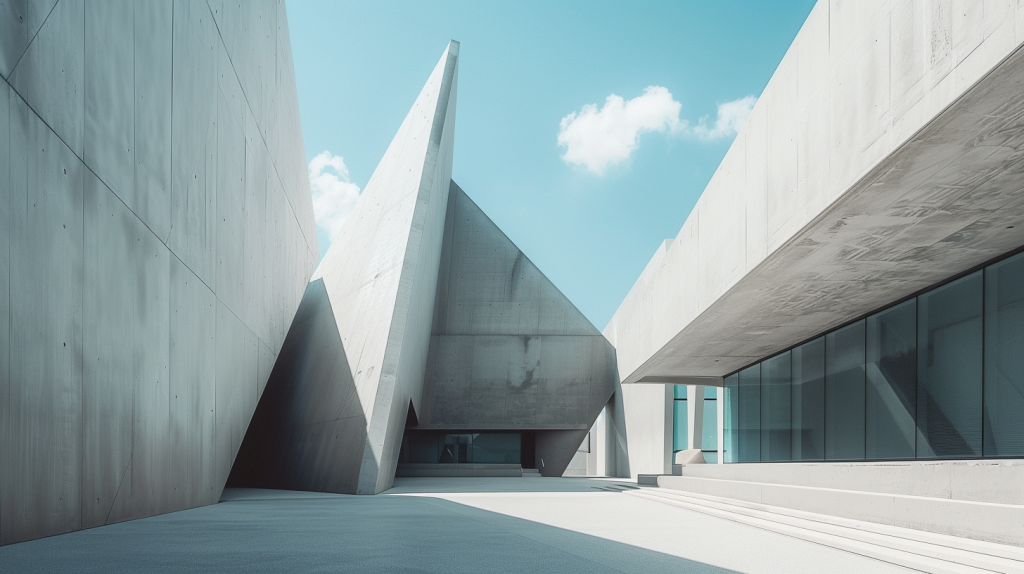

The simplicity, clarity and focus on functionality are the hallmarks of minimalist architecture. It was developed as a reaction to ornate styles in the past. It emphasizes the idea that “less is more”, and prioritises essential elements. This approach creates spaces which are not only beautiful but also functional. We explore the benefits and core principles of minimalist architecture.
Design Principles
Clarity and Simplicity
The idea of simplicity is at the core of minimalist architecture. Designs are stripped down to their essential elements and focus on uncluttered lines and clean spaces. This simplicity is reflected in all aspects of a structure, including the layout and choice of materials.
Functionality
The minimalist architecture places an emphasis on functionality and ensures that each element has a specific purpose. Spaces are designed for usability and have layouts that promote efficiency. This principle creates environments that are tailored to the individual needs of their inhabitants.
Open and Light-Filled Areas
The minimalist approach to design emphasizes the importance of maximising natural light. Open floor plans and large windows create airy, bright interiors that promote a feeling of calmness and openness. The emphasis on natural lighting eliminates the need to use excessive artificial light, which aligns with minimalist ideals.
Natural Materials
In minimalist architecture, natural materials such as wood, stone and concrete are frequently used. They add warmth and texture to the space while still maintaining a clean aesthetic. These materials are durable and timeless, which contributes to the appeal of minimalist design.
Neutral Color Palettes
Neutral color schemes are often used in minimalist architecture, including whites, greys and earth tones. These palettes create an environment of calm, which allows architectural elements and natural elements to be the focal point.
Benefits
Clarity and Focus Enhanced
Minimalist architecture promotes relaxation and focus by eliminating visual noise and clutter. Its simplicity can improve mental clarity and reduce anxiety, making it an ideal choice for living and working environments.
Sustainability and cost-effectiveness
Minimalist designs often result in lower construction and material costs. The focus on simplicity, functionality and sustainability is in line with sustainable practices. It typically uses fewer resources and produces a smaller amount of waste. Energy efficiency is also important for long-term sustainability.
Timeless Aesthetic
Clean lines and uncluttered space of minimalist architecture have a timeless appeal which transcends trends. The timeless aesthetic of minimalist architecture ensures that buildings will remain attractive and relevant over time. They also maintain their functionality and value.
Flexibility and adaptability
Spaces that are minimalistic can be easily adapted to suit changing styles and needs. Openness and neutrality create a blank canvas that allows for customization.
Conclusion
It is more than a style of architecture; minimalism is a philosophy which prioritizes sustainability, simplicity and functionality. Focusing on the essentials, minimalist designs produce spaces that are beautiful and have a profound impact on human experience.
Minimalist architecture is a great choice for residential and commercial applications because of its benefits, including reduced clutter, increased environmental connection, timeless appeal, and the ability to adapt to any environment. The principles of minimalist architectural design remain relevant as the world evolves, providing a thoughtful and sustainable approach to building and living. Minimalist architecture, through iconic examples and continuous innovation, continues to shape our world and promote clarity, serenity and connection within our built environments.