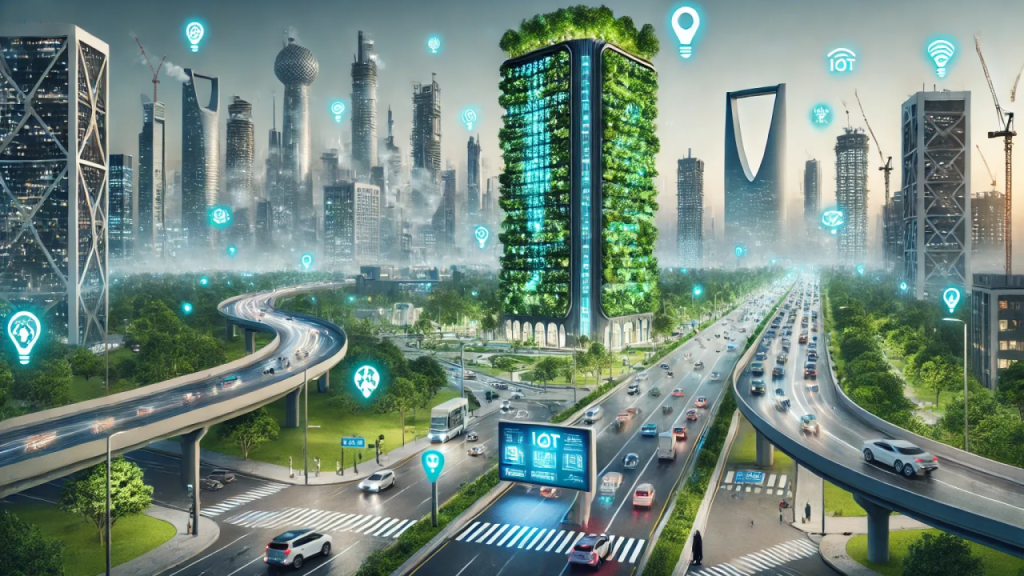

Smart cities are becoming more important as urbanization increases globally. Smart cities combine technology and sustainable practices in order to improve urban living, infrastructure and governance. Innovative architecture is a key component of this transformation. It redefines how we interact and live in our environment. Here are some of the most innovative architectural concepts that will shape the future of smart city.
Responsive building design
Adaptive Facades
Buildings with adaptive façades can react to environmental conditions in real-time. These intelligent skins adapt to changes in temperature, light and weather to maximize energy efficiency and comfort. Electrochromic glass, for example, can tint itself dynamically to reduce solar gain and the need for artificial lighting or air conditioning.
Dynamic Spaces
Smart cities are built with flexible interiors that can be used for multiple purposes. Moveable walls and modular furnishings allow spaces to be reconfigured for a variety of uses, including co-working areas or event venues. This adaptability allows buildings to change with the changing needs of urban areas.
Sustainable Urban Ecosystems
Vertical Farms and Gardens
Incorporating vertical farms and gardens into urban architecture promotes sustainability by improving air quality and reducing urban heat islands. These green spaces are not only a source of local food, but they also provide recreational areas which promote mental health. Vertical greenery has been pioneered by cities, which have transformed urban landscapes to lush environments.
Zero-Energy Buildings
Zero-energy buildings generate the same amount of energy they use through renewable sources such as solar panels and turbines. They use advanced insulation, energy efficient systems, and passive designs to reduce energy consumption. ZEBs demonstrate how sustainable architecture can contribute to resilience and resource efficiency in a city.
Intelligent Infrastructure
Smart Sensors & IoT Integration
Internet of Things (IoT), a technology that allows buildings to collect data and analyze it, enables them to make better decisions. Smart sensors embedded into architectural infrastructure monitor air quality and occupancy levels, as well as energy consumption. These data improve resource management and reduce operational costs.
Automated Building Systems
Automation improves the functionality and efficiency of smart buildings. It does this by controlling systems such as lighting, heating, ventilation and others. Automated systems are able to learn the preferences of users, make adjustments based on data in real time, and perform predictive maintenance for equipment failures. This level of control improves efficiency and user satisfaction.
Mobility and Connectivity
Integrated Transit Centers
Smart cities can benefit from seamless connectivity through an architecture that integrates multimodal hubs. These hubs combine different modes of transportation, such as buses, metros, and bicycles, into one cohesive system. This reduces congestion and promotes sustainable mobility. These hubs have been designed to be accessible, efficient and user-friendly.
Pedestrian- and Cyclist Friendly Spaces
Prioritizing pedestrians, cyclists and other modes of transportation improves urban mobility while reducing reliance on automobiles. Wide walkways, bike paths, and pedestrian bridges are all part of architectural designs that encourage alternative modes of transportation. Cities can promote healthier lifestyles by creating attractive and safe environments for cycling and walking.
Community and Cultural Enhancement
Interactive Public Spaces
Smart cities are focused on creating public spaces that encourage community and interaction. Public spaces are made more vibrant and dynamic with design elements such as digital displays, interactive installations and augmented realities. These spaces are transformed into cultural hubs that encourage social interaction and creativity.
Mixed-Use developments
Mixed-use development combines residential, commercial and recreational space to create neighborhoods that blend living, working and leisure. This integration allows for shorter commutes, encourages social interaction and increases economic viability. The architecture plays a major role in the design of these self-sustaining, versatile environments.
Disaster Resilience
Climate-Resilient Structures
Innovative architectures incorporate climate-adaptive elements to prioritize resilience against natural catastrophes. Buildings can withstand extreme weather conditions with the help of flood-resistant foundations and wind-resistant designs. Smart cities can improve safety and lower recovery costs by incorporating resilient designs.
Digital Twins
A digital twin is an interactive virtual model that allows for simulation and analysis. By using digital twins to assess the impact of development proposals on infrastructure, traffic, and environment, architects and planners are able to make better decisions. This technology helps to design resilient cities by optimizing the planning and response strategy.
Conclusion
Innovative architecture is the key to redefining smart city, providing solutions that improve urban life through integration of technology, sustainability and community well-being. These architectural concepts, whether through adaptive design or intelligent infrastructure, play a crucial role in creating smart cities that are efficient, sustainable, and inclusive.
Architecture will continue to be a driving force as the vision of smart cities continues to evolve. It will create environments that meet the needs and wants of both citizens and planet. We can create cities that are future ready through innovation and forward thinking design. This will allow us to address the complex challenges of city growth with creativity, responsibility and ingenuity.