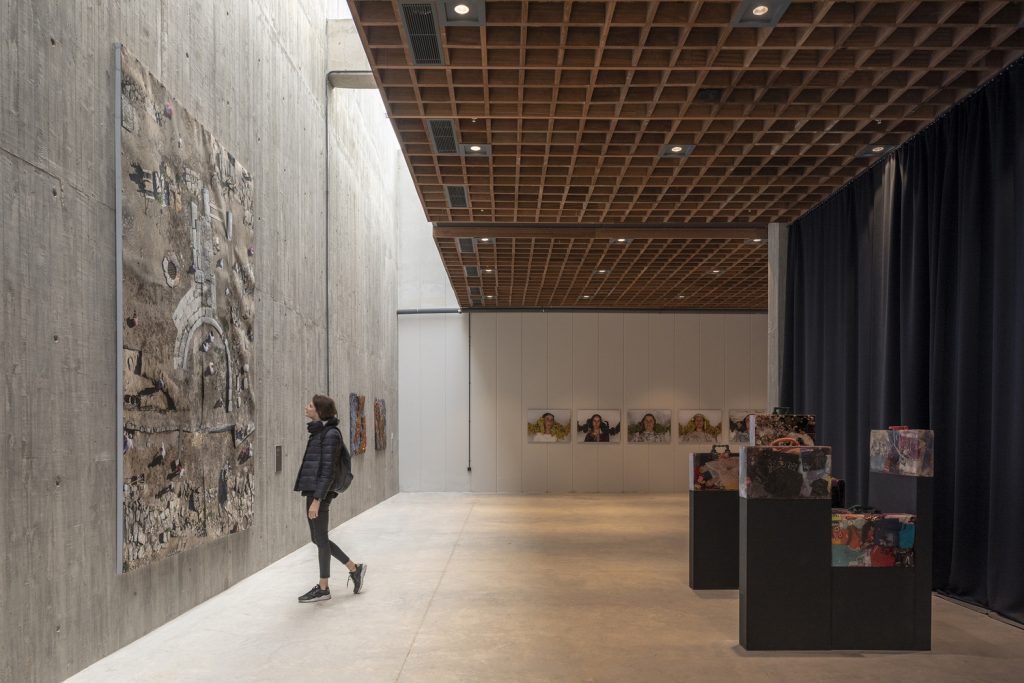

It’s not only about building structures, but also about creating environments that affect how we work, live and interact. Designing spaces can influence human behavior, well-being and mental health. The role of architecture in shaping the human experience is explained.
Physical Health
Natural Light and Ventilation
It is important to maintain physical health by exposing yourself to fresh air and natural light. Large windows, skylights and open areas in architectural designs allow daylight to enter interiors. This reduces the need for artificial lighting, while enhancing vitamin-D absorption. Natural ventilation improves indoor air quality and reduces the risk of allergies and respiratory issues. Well-ventilated, well-lit spaces can improve sleep patterns, increase energy, and promote better health.
Ergonomics and spatial layout
Designing spaces with ergonomic furniture and equipment is essential to promoting health. Architects create spaces with ergonomic furniture and equipment to support correct posture and reduce strain. Spatial layouts that are well-planned facilitate movement and reduce the risk of accidents. This creates a supportive and safe physical environment.
Mental Health
Nature Connection
Biophilic design, or the integration of natural elements into a design, has been increasingly recognized as having mental health benefits. Natural materials, such as wood and stone, and indoor plants that provide views of nature can help reduce stress and improve mood. They also increase cognitive function. Green roofs and living walls can create a calm environment that promotes wellbeing.
Aesthetics & Atmosphere
Color, texture and form are all aesthetic elements that can have a profound impact on mood and emotion. Warm colors and soft textures create a cozy and comfortable feeling, while cool colors and open spaces can promote a tranquility and sense of openness. These elements are used by architects to create environments that encourage relaxation, focus or social engagement depending on the intended purpose of the space.
Social Interactions
Community and Collaboration
By creating spaces that promote interaction and collaboration, architecture facilitates social connections. In the workplace, open-plan designs encourage teamwork while communal spaces in residential design foster community connections. As gathering spaces, courtyards, piazzas and atriums can enhance social bonds and a community sense.
Privacy and Personal Space
Privacy is a basic human need, even though social interaction is essential. Individuals can take a break, relax, and recharge with architectural designs that provide personal spaces. In environments such as offices and schools where collaboration and concentration is required, it’s important to balance communal and private space.
Cultural and emotional impact
Identity and Belonging
Architecture can create a feeling of belonging and reinforce cultural identity. The community is able to feel pride and connection when buildings are designed using cultural motifs, local architectural styles, or traditional materials. These spaces are meaningful and contribute to a sense of community identity.
Symbolism, Memory and Symbolism
Buildings can have symbolic meanings that evoke emotions and memories. Historic sites, architectural landmarks and memorials can affect behavior by instilling continuity and reminding people of their collective past. These spaces act as emotional anchors that influence how people perceive their surroundings and their place in it.
Sustainability and Environmental Responsibility
Eco-Friendly Designs
Sustainable architecture is not only good for the environment, but it also encourages a feeling of responsibility and connection with the natural world. Sustainable buildings encourage environmental awareness, including recycling and energy conservation. An eco-friendly living environment can encourage mindfulness and commitment to sustainable lifestyle.
Climate Responsiveness
Comfort and wellbeing are enhanced by architecture that is responsive to the local climate. The use of passive solar design, insulation and shading to regulate the indoor temperature, creates comfortable environments in line with natural climate patterns. This responsiveness reduces stress, and the reliance on artificial climate-control systems.
Conclusion
The influence of architecture on human behavior and wellbeing is multifaceted and profound. Well-designed environments can improve physical health, foster mental well-being and support social interaction, as well as promote cultural and environmental responsibility. Understanding the impact of architecture on the human experience allows architects, designers and urban planners to create spaces that meet both functional needs and enhance the quality of living.
Architecture and human behavior are a dynamic field that is constantly evolving, thanks to advances in technology, materials and our understanding of psychology. Prioritizing wellbeing in design allows us to create environments that promote holistic health, foster community and inspire people to live more fulfilled lives.