
Cities around the globe are facing increasing environmental challenges as urban populations increase. These include pollution, resource depletion and climate change. The rise of sustainable architectural practices is changing the landscape. Green buildings play a key role in this change, reshaping the urban environment. See how sustainable architecture has changed the face of cities.
What is Sustainable Architecture?
Sustainable architecture is the design and construction of buildings that minimize their environmental impact. This approach places a high priority on energy efficiency, resource conservation and the health of the occupants as well as the ecosystem. The use of sustainable materials and energy-efficient systems are key elements.
Energy Efficiency
Sustainable architecture aims to reduce energy consumption. Energy-efficient technologies, such as LED lighting and high-performance windows are used in green buildings. Solar panels and windmills are also used by many to reduce their reliance on fossil-fuels. Smart building systems optimize energy consumption by optimizing heating, cooling and lighting according to occupancy and usage patterns.
Water Conservation
In many urban areas water scarcity is an urgent concern, so conserving water is an important aspect of sustainable architectural design. Rainwater harvesting systems, wastewater recycling and low-flow fixtures are often included in green buildings to reduce water consumption. Greywater systems are becoming more common in sustainable designs. They treat and reuse the water from sinks, showers, and toilets for irrigation and flushing.
Sustainable Materials
Construction has historically had a large environmental impact because of resource extraction and waste. To reduce this impact, sustainable architecture uses eco-friendly materials such as recycled or reclaimed materials. Green buildings can also incorporate sustainable concrete and bamboo, which are renewable materials.
Indoor Environmental Quality
Sustainable architecture aims to improve the health and wellbeing of building occupants. It involves improving indoor environmental quality through natural lighting, superior ventilation, and non-toxic materials. Natural light is abundant in large windows, skylights, and atriums. This reduces the need for artificial illumination and improves mental health. Improved ventilation systems and materials with low VOC (volatile-organic compound) also contribute to a healthier indoor environment.
Urban Biodiversity
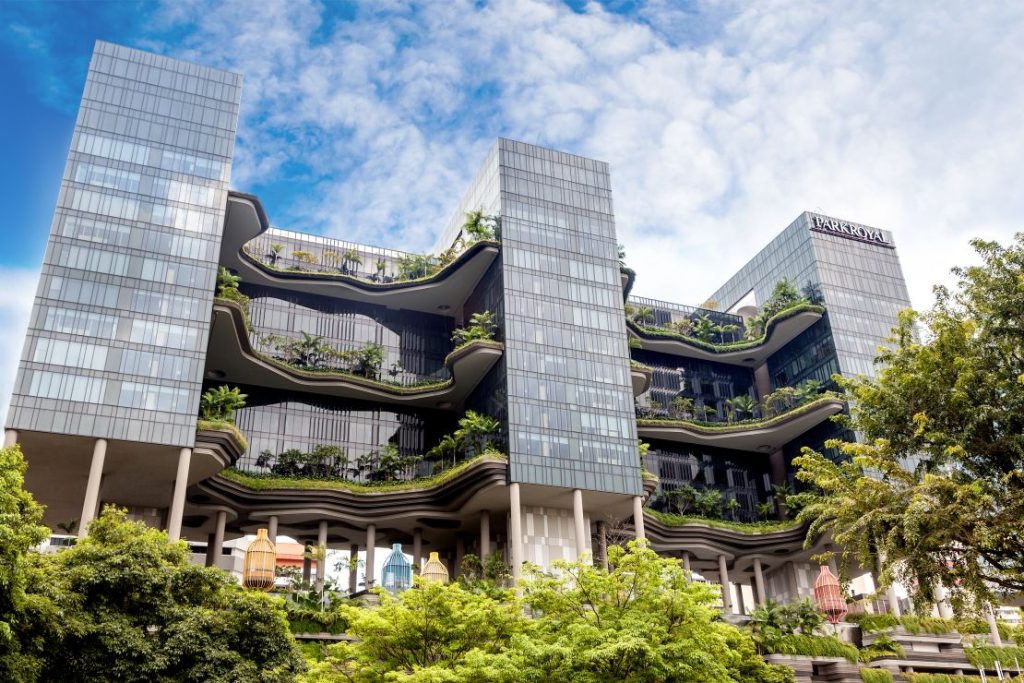
Green buildings are important for maintaining the ecological balance of cityscapes. Green roofs, rooftop gardens, and living walls provide habitats for wildlife in urban areas and improve air quality. These features help reduce the urban heat islands effect where concrete and asphalt raise city temperatures. Sustainable architecture builds connections between city dwellers and nature by incorporating natural elements in urban design.
Economic Benefits
The long-term benefits of sustainable architecture are significant, even though the initial cost may be higher. Over time, the reduction of energy and water expenses, reduced maintenance costs and longer building lifespans result in substantial savings. Green buildings are often more desirable and command higher rental rates and property values due to their attractive features and reduced environmental impact.
Social Impact
Sustainable architecture addresses the social aspects of urban life. Green buildings promote healthier lifestyles and a more resilient community. They also provide an inclusive environment. Green spaces and recreational areas encourage physical activity and social interactions, strengthening community ties. Sustainable architecture initiatives include affordable housing options, which makes eco-friendly living more accessible.
Plan and Policy
The importance of sustainable architectural design in urban development is increasingly recognized by city planners and governments. Incentives and green building standards are being implemented by many cities to encourage sustainable practices. Tax credits, grants and accelerated permitting for green buildings are some of the policies that encourage developers to put sustainability first. These policies encourage innovation and sustainable design to become the norm.
Urban Living: The Future of Urban Living
Green buildings are not just a fad; they’re essential for creating livable, sustainable cities in the future. Sustainable architecture will continue evolving as technology improves and environmental awareness grows. Urban environments will be more efficient and sustainable with the integration of cutting edge technologies such as advanced energy storage systems and building-integrated solar photovoltaics.
Sustainable architecture transforms cities into more resilient and healthy entities. Green buildings are setting a new standard in urban development through energy-efficient technologies, water conservation and eco-friendly material. In cities that continue to grow, adopting sustainable architecture is key to maintaining a balance between the needs of humans and those of the planet. Green buildings are leading the change towards a sustainable future for cities.