
The way we build and design our cities continues to evolve rapidly as urban populations increase. Modern architecture is more than just aesthetics. It’s also about creating sustainable, livable, and efficient environments. Here are some key architectural trends that will influence the future of city living.
Sustainable Design
Sustainability is a major trend in modern architecture. Architects increasingly focus on designing buildings with minimal environmental impact. This includes the use of eco-friendly products, the integration of renewable energy sources such as solar panels, and energy-efficient systems. Green buildings incorporate features like green walls and roofs, rainwater collection systems, and advanced climate-control technologies in order to reduce energy consumption.
Smart Buildings
Smart technology is changing the way that buildings are designed and run. Smart buildings connect systems using the Internet of Things, which allows for centralized control of heating, lighting, security and other features. This technology optimizes resources and reduces energy consumption, resulting in improved comfort for occupants. The smart architecture includes flexible spaces with movable furniture and walls.
Biophilic Design
The goal of biophilic design is to connect urban environments with the natural world. This trend involves incorporating elements of nature like plants, water features and natural lighting into architectural design. The goal of this trend is to improve the wellbeing of building occupants through a harmonious living environment. In urban environments, biophilic designs are often vertical gardens, green rooftops, or large windows strategically placed to maximize views and sunlight.
Mixed-use developments
To meet the needs of an urban population that is growing, architects are designing more mixed-use development. They combine residential, retail, and recreation spaces into a single building, which reduces the need for long commutes. Mixed-use structures can enhance the economic viability and vibrancy of urban areas through a 24/7 work-live-play environment.
Resilient Design
The increasing frequency of climate-related disasters and natural disasters makes resilient design more important. Modern architecture includes advanced structural systems, flood-resistant materials and flexible building designs to resist extreme weather conditions. Architects also consider climate adaptability to ensure buildings can handle current and future climate scenarios.
Minimalist Aesthetics
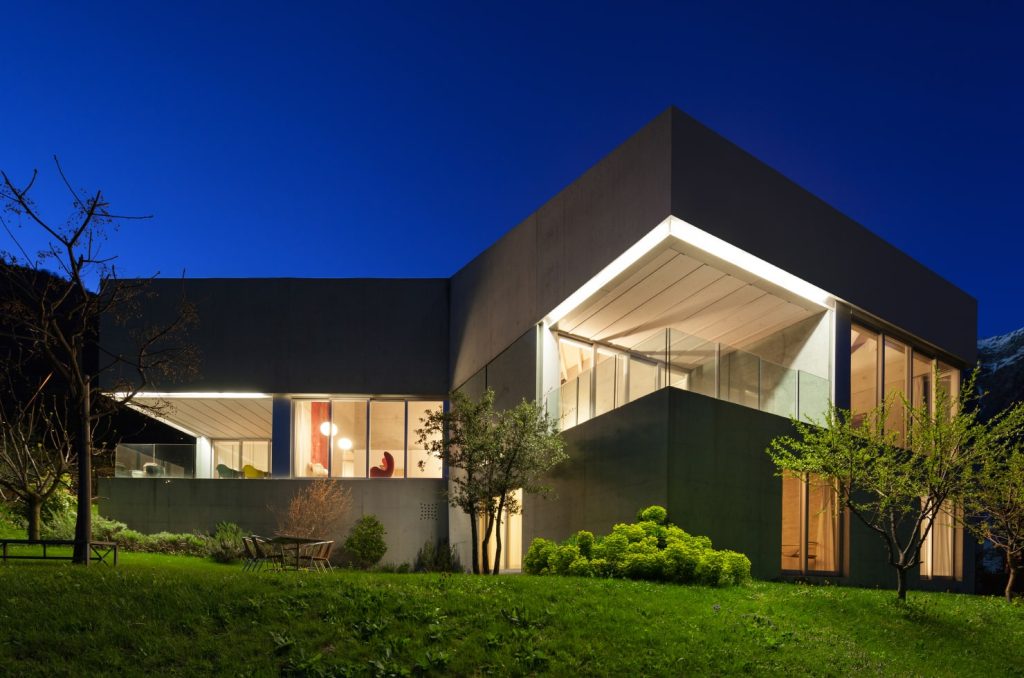
Modern architecture continues to embrace minimalism. Design minimalists are defined by clean lines, large open spaces and an emphasis on functionality. This design emphasizes efficiency and simplicity in the use of materials, space, and resources. This can create a calmer, more organized space that is both practical and aesthetically pleasing for urban living.
Prefabrication of Modular Construction
Urban structures are increasingly being built using prefabrication or modular construction. The sections of the building are assembled in a factory before being transported to the site. This method can reduce construction waste and time, and offer a cost-effective way to solve the housing shortage in cities.
Vertical Living
Vertical living is becoming more popular as cities get more crowded. High-rise buildings can accommodate a greater population on a smaller area. These spaces are being reimagined by architects with sky gardens, rooftop amenities and shared communal areas that enhance urban life and foster a community.
Reuse Adaptive
Repurposing structures to serve new purposes can be economically and environmentally advantageous. By converting old warehouses, industrial buildings and other structures into mixed-use or residential spaces, architects preserve the cultural heritage of the building while meeting modern requirements. This trend reduces the environmental impact of demolition and new construction.
Focus on Community
Modern architecture places a greater focus on design that is community-oriented. It involves creating areas that promote social interaction and engagement between residents. Shared gardens, communal kitchens and co-working areas are all designed to promote a sense community and collaboration. This is especially important in densely-populated urban areas.
Conclusion
Modern architecture trends that are shaping urban life reflect a greater understanding of the challenges posed by an expanding urban population. By focusing on sustainability, smart technologies, and community-focused designs, architects create spaces that are visually stunning, but also environmentally friendly and socially inclusive. These trends will continue to develop and play an important role in the future of cities. They will ensure that they are livable, resilient and vibrant for many generations.