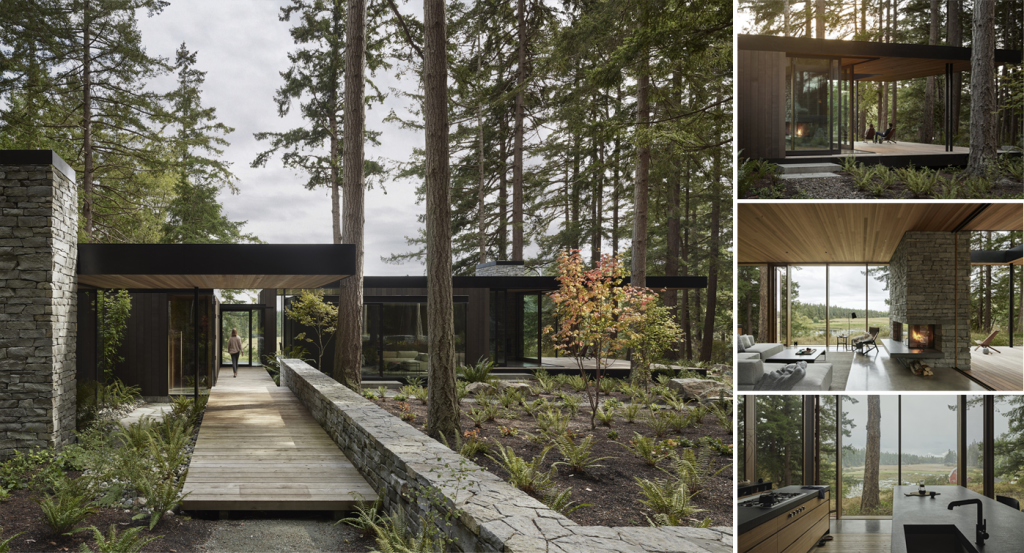

Architecture is a reflection on the social, cultural, and technological influences of a particular time. While new architectural styles are constantly emerging, some styles have endured and maintained their appeal through generations. Here are 10 timeless architectural styles that every designer should be familiar with.
1. Classical Architecture
Classical architecture has its roots in the ancient architectural traditions of Greece and Rome. It is characterized by symmetry, proportion and the use columns. Doric, Ionic and Corinthian order are key elements. The style has been used in countless buildings, including government buildings and museums. It is a symbol for elegance and grandeur.
2. Gothic Architecture
Gothic architecture, which emerged in the late middle ages, is known for its elaborate details, pointed arches and ribbed vaults. It also features flying buttresses. This style is usually associated with cathedrals or churches. The dramatic vertical emphasis of the style and its intricate stone carvings create a feeling of spirituality and awe.
3. Baroque Architecture
Baroque architecture is a style that developed in the 17th Century. It’s known for its opulence and dynamic forms. Baroque architecture, like the Palace of Versailles, is characterized by dramatic contrasts and sweeping curvatures. It’s designed to inspire and overwhelm. The style is characterized by elaborate sculptures and frescoes.
4. Neoclassical Architecture
Neoclassical architecture was born in the middle of the 18th century, as a reaction to the excesses and ostentation of Baroque. Its aim was to bring back the elegance and simplicity of classical antiquity. This style is characterized by clean lines, columns and symmetry. It can be found in notable structures such as the White House in Washington D.C.
5. Art Nouveau
Art Nouveau is a style that was popular during the late 19th century and early 20th century. It’s known for its organic shapes, flowing lines and nature-inspired themes. It is associated with decorative ironwork, such as that seen in the work of Antoni Gaudi or Victor Horta. The style is a departure from the historical styles and focuses on artistic expression.
6. Bauhaus
Bauhaus architecture is synonymous with the movement that originated in Germany at the beginning of 20th century. Bauhaus architecture is characterized by geometric shapes and minimalism. It also uses industrial materials such as glass and steel. It was a movement that had a major impact on architecture around the world, and promoted simplicity and functionality.
7. Art Deco
Art Deco was popular in the 1920s & 1930s. It is characterized by bold geometric patterns and rich colors. This style combines traditional craft motifs and machine-age imagery to create a distinctive aesthetic. The Chrysler Building, located in New York City is a great example of the glamorous and modern appeal of the style.
8. Mid-century Modern
Mid-century modern architecture gained popularity in the middle of the 20th century. It is known for its open floor plans and seamless integration with natural surroundings. This style is characterized by simplicity and functionality. It emphasizes the integration of the outdoors through large windows, and natural materials such as wood and stone. Notable figures include architects like Richard Neutra and Ludwig Mies van der Rohe.
9. Brutalism
Brutalism, which emerged in the middle of the 20th century, is characterized primarily by monumental, bold structures, made mainly from raw concrete. The style is functional and features block-like geometric shapes. Brutalism is a controversial style, but it has gained popularity for its structural honesty and unapologetic expression.
10. Contemporary Architecture
Contemporary architecture is diverse and always evolving. It often emphasizes innovation, sustainability, and cutting-edge technologies. This style is characterized by fluid organic forms and eco-friendly design principles. Some notable examples are the Sydney Opera House designed by Jornutzon, and the Guggenheim Museum of Bilbao designed by Frank Gehry. Modern architecture is constantly pushing the boundaries of what’s possible.
Conclusion
These ten architectural styles provide a look at the rich and diverse history of architecture design. Each style captures the unique culture and technological innovations of its era, which makes them timeless. Understanding these styles enhances appreciation of architecture and shows how it shapes our world. These styles are a great source of inspiration for any designer.